
My Favorite Spring Detox Juice Recipes
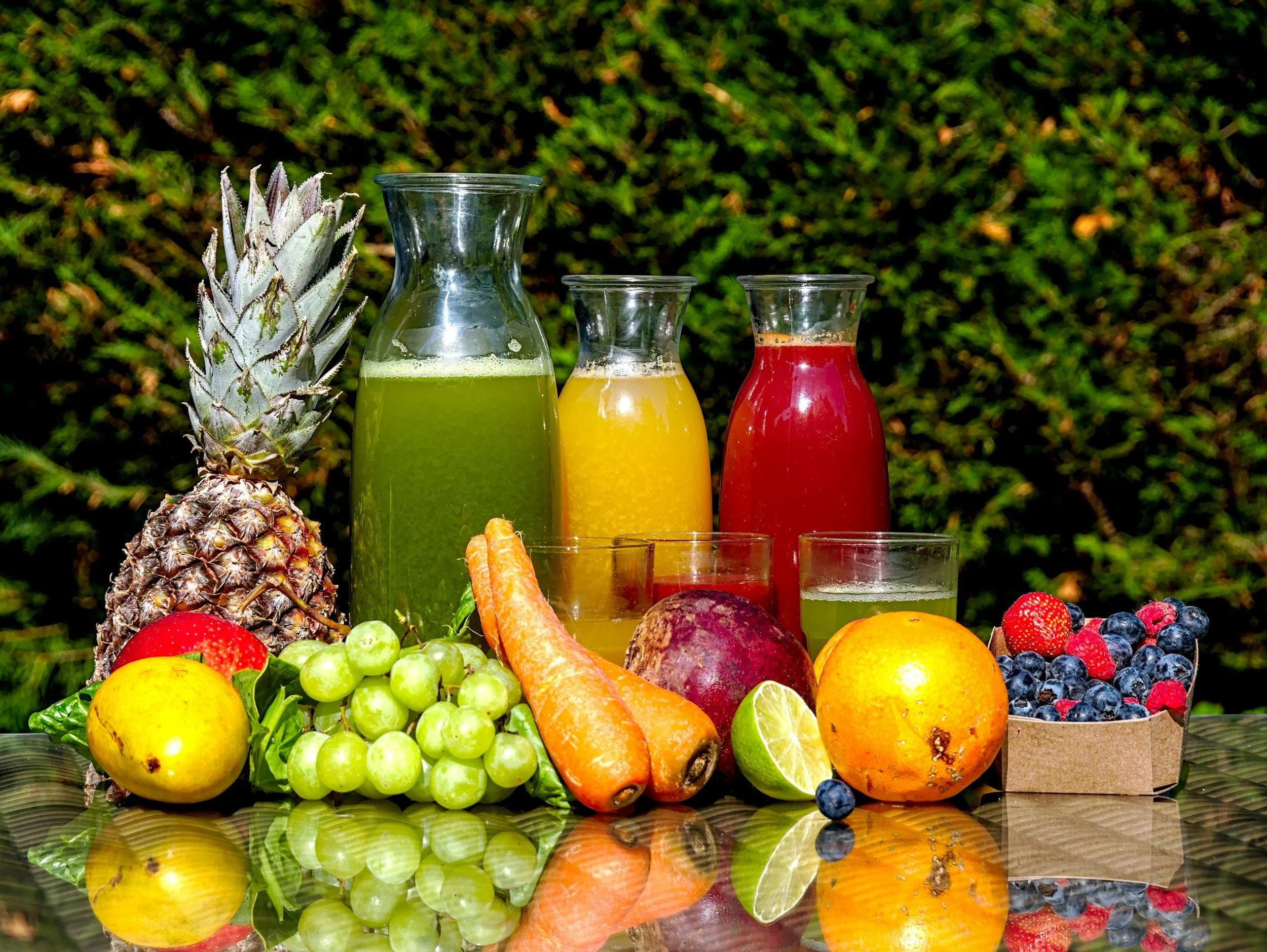
The Ancient Art of Juicing: Spring Renewal for Body and Mind
We had our first spring weekend here in Greenville, South Carolina and I was on the lake and getting my garden planted with early spring veggies like sugar snap peas, arugula and beets! I love spring. It's my birthday season and it's always so joyful to move out of the dark cold of winter into the milder, sunny weather. Spring in the south seems to last for months with blossom after blossom blooming and the birds singing so joyfully, you can't help but feel the lift to your spirits. After winter, I'm always a bit sluggish. Having done less exercise, consumed a diet of heavier fare and received less vitamin D in my system, I need a bit of a jump start to get my spring body going.
As the days grow longer and the world shakes off its winter chill, something stirs within us — an instinct as old as humanity itself to cleanse, refresh, and renew. Spring has always been a season of transformation, and one of the most powerful ways to align your body and mind with this seasonal shift is through the vibrant, living nourishment of fresh juice.
Whether you're reaching for a bright green blend of cucumber, spinach, and apple or a fiery shot of ginger, carrot, and orange, juicing in the spring is more than a wellness trend. It's a practice with roots stretching back thousands of years — and the science to back it up.
A History of Juicing: From Ancient Civilizations to Modern Kitchens
The history of juicing is far older than the sleek cold-press machines lining today's kitchen counters. Humans have been extracting the liquid essence of plants for healing and nourishment since the earliest civilizations.
Ancient Origins (Before 150 BCE)
Some of the earliest recorded references to juice come from the Dead Sea Scrolls, where texts describe the pounding of pomegranate and fig plants to create a "deep broth" believed to bring strength and healing. In ancient Egypt, fruits and vegetables were crushed and their juices used in medicinal preparations. The Egyptians prized the juice of the pomegranate and used pressed grape juice ceremonially and therapeutically.
In traditional Ayurvedic medicine — the ancient healing system of India dating back over 3,000 years — plant juices called svarasa were considered the most potent form of herbal medicine. Freshly extracted juice was believed to carry the full life force, or prana, of the plant.
Ancient Greece and Rome
Hippocrates, often called the father of modern medicine, wrote extensively about the healing power of food and plant extracts around 400 BCE. He famously prescribed grape juice and vegetable broths for a range of ailments. The Romans, known for their love of garum (fermented fish sauce), also valued pressed fruit juices, particularly grape and pomegranate, for their restorative properties during illness.
Medieval and Renaissance Periods
Throughout the Middle Ages, European herbalists and apothecaries regularly extracted and prescribed plant juices for medicinal purposes. Lemon juice was used by sailors to prevent scurvy — though it would take centuries before anyone understood why. Alchemists and physicians of the Renaissance era began documenting the properties of various fruit and vegetable extracts with greater scientific curiosity.
The 19th and Early 20th Centuries
By the 1800s, the health reform movement in America began promoting raw fruits and vegetables as cornerstones of wellness. Figures like Sylvester Graham (of Graham cracker fame) and John Harvey Kellogg advocated for plant-based diets and the healing power of natural foods. The first mechanical juice extractors began appearing in the late 1800s.
In the 1920s and 30s, Dr. Norman Walker — often called the father of modern juicing — developed one of the first commercial juicers and wrote extensively about the healing benefits of raw vegetable juices. He lived to 99 and credited much of his longevity to his daily juicing practice.
The Modern Juicing Era
The late 20th and early 21st centuries saw juicing explode into mainstream culture. The invention of the centrifugal juicer in the 1950s made home juicing accessible, and the cold-press (masticating) juicer revolution of the 2000s brought a new level of nutritional awareness. Today, juicing is a multi-billion-dollar global industry — but its soul remains unchanged: extracting the living essence of plants to support human health.
Why Spring Is the Perfect Time to Juice
In the same way that nature bursts forth with fresh growth in spring, our bodies are primed for renewal after the heavy, warming foods of winter. Many traditional healing systems — from Ayurveda to Traditional Chinese Medicine — recognize spring as a season of detoxification and regeneration, particularly for the liver and digestive system.
Here's why adding fresh juice to your spring routine can be genuinely transformative:
1. Seasonal Produce Is at Its Peak
Spring brings an abundance of some of the most nutritious and delicious produce of the year. Think: leafy greens like spinach, kale, and dandelion; crisp cucumbers; bright citrus; young carrots; beets; celery; and fresh herbs like parsley and mint. These foods are naturally rich in the vitamins and minerals our bodies crave after winter — and they taste incredible when juiced fresh.
2. Supports the Body's Natural Detoxification
The liver works hard throughout winter processing richer, heavier foods. Spring greens — especially bitter ones like dandelion, arugula, and parsley — are natural liver tonics that support its detoxifying function. Fresh juice delivers these compounds in a highly bioavailable form, meaning your body can absorb and use them quickly and efficiently.
3. Floods the Body with Micronutrients
One glass of fresh juice can contain the nutritional equivalent of several servings of fruits and vegetables. Without the fiber, nutrients are absorbed rapidly into the bloodstream, giving your cells an almost immediate infusion of vitamins, minerals, and antioxidants. Spring staples like spinach deliver iron and folate; carrots provide beta-carotene; citrus fruits offer immune-boosting vitamin C; and beets supply nitrates that support cardiovascular health.
4. Boosts Energy and Reduces Fatigue
Many people experience a dip in energy in late winter — sometimes called "spring fatigue" — as the body transitions between seasons. Fresh juice, particularly combinations with beets, citrus, and ginger, can provide a natural, sustained energy boost without the crash associated with caffeine or sugar.
5. Supports Gut Health and Digestion
Spring is a natural time to reset the digestive system. Fresh juices rich in enzymes (particularly from pineapple and papaya) and anti-inflammatory compounds (ginger, turmeric) help soothe and restore gut health. Many people find that incorporating juice into their morning routine reduces bloating and improves overall digestion.
6. Brightens Mood and Supports Mental Clarity
The gut-brain connection is now well-established in scientific literature. A healthier gut means better production of neurotransmitters like serotonin — often called the "happiness chemical." Additionally, the high concentration of B vitamins, magnesium, and antioxidants in fresh juice directly supports cognitive function, mood stability, and mental clarity. Many regular juicers report a noticeable lift in mood and focus within just a few days of starting a juicing routine.
7. Hydration at a Cellular Level
After the dry, dehydrating months of winter, spring juice offers deep cellular hydration. Cucumbers, watermelon, celery, and citrus fruits are particularly hydrating and help restore the body's fluid balance. Proper hydration is fundamental to energy levels, skin health, kidney function, and even mood.
Spring Juicing: Where to Start
If you're new to juicing, spring is the ideal time to begin. Here are a few simple, seasonal combinations to try:
The Spring Awakening: Apple, cucumber, celery, spinach, lemon, and a small piece of ginger. Light, refreshing, and deeply nourishing.
The Liver Tonic: Beet, carrot, apple, lemon, and dandelion greens. Earthy and sweet with powerful detoxifying properties.
The Sunshine Boost: Orange, carrot, turmeric, and a pinch of black pepper (which enhances turmeric absorption). Bright, uplifting, and anti-inflammatory.
The Green Reset: Kale, parsley, cucumber, green apple, and lime. Crisp, clean, and mineral-rich.
A Few Things to Keep in Mind
While juicing offers remarkable benefits, it works best as part of a balanced, whole-foods diet rather than a replacement for eating. Whole fruits and vegetables contain fiber that is important for digestive health and blood sugar regulation. Think of fresh juice as a powerful supplement to your diet — a concentrated burst of plant nutrition — rather than a substitute for eating well.
It's also worth noting that some individuals with certain health conditions — including diabetes, kidney disease, or those on blood thinners — should consult a healthcare provider before significantly increasing their intake of certain juices. Leafy greens, for example, are high in vitamin K, which can interact with anticoagulant medications.
The Timeless Wisdom of Juice
From the ancient healers of Egypt and India to the wellness pioneers of the 20th century, humans have long recognized something profound in the act of extracting and drinking the living juice of plants. It is a practice that connects us to the earth, to the seasons, and to a deep tradition of using nature as medicine.
This spring, as the earth renews itself, consider giving your body the same gift. A glass of fresh juice — vibrant, alive, and brimming with the essence of the season — might be exactly what your body and mind have been waiting for.
Here's to spring. Here's to renewal. Here's to the juice.