
Why Sleep Is the New Wellness Frontier And How Yoga Nidra Can Help
Why Sleep Is the New Wellness Frontier And How Yoga Nidra Can Help
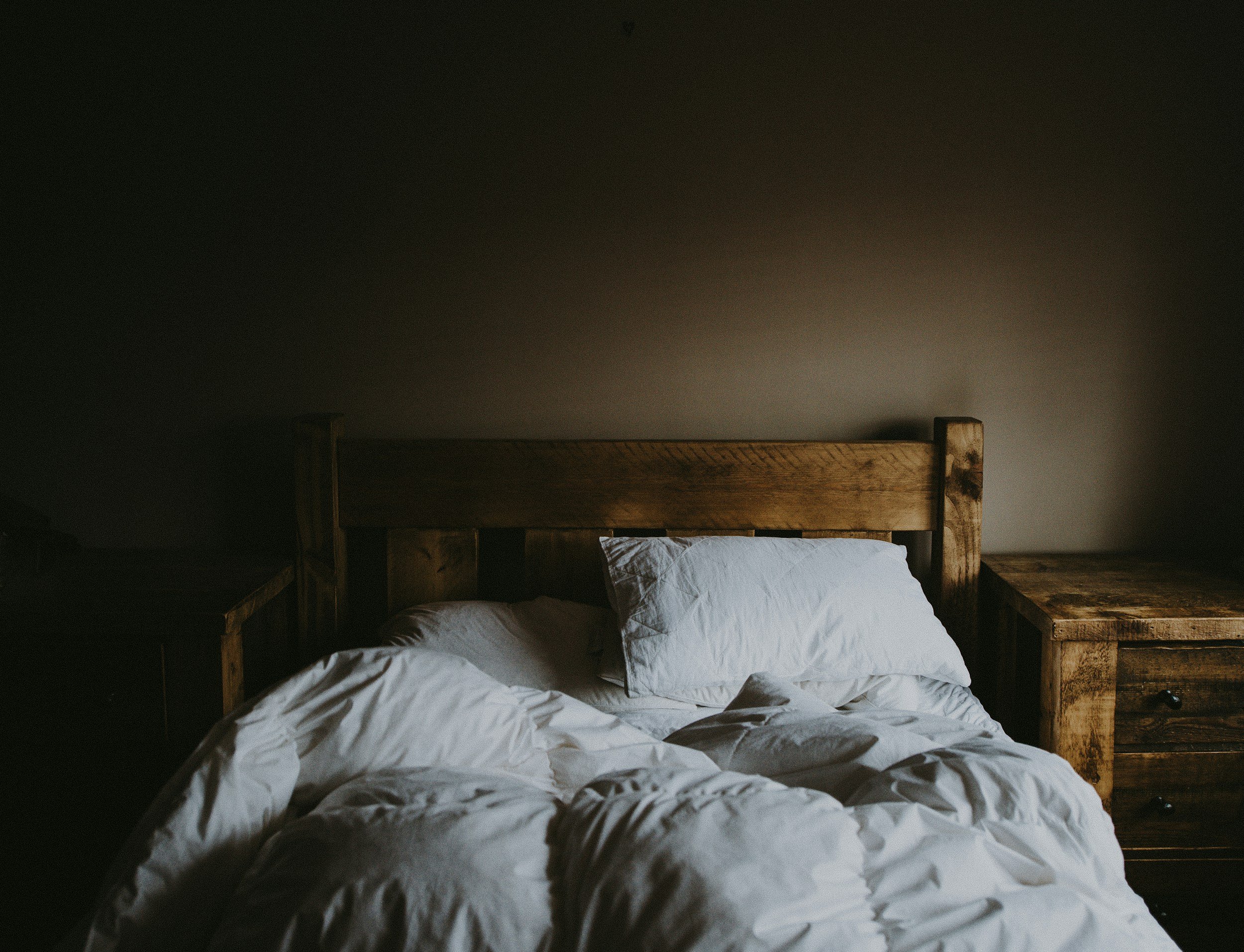
I'll be honest with you: sleep is still a work in progress for me.
I know all the research. I practice yoga nidra regularly. I teach nervous system regulation for a living. And still — some nights my mind has other plans. I share this not because I have it all figured out but because I think it's important to say out loud: struggling with sleep doesn't mean you're failing at wellness. It means you're human. And it means the stressors, hormonal shifts, and relentless pace of modern life are doing exactly what we know they do to the nervous system — keeping it switched on long past the point where it should be winding down.
What I also know — from both the research and my own experience — is that yoga nidra has been one of the most genuinely useful tools in my sleep toolkit. Not a miracle cure. Not a guarantee. But a practice that, used consistently, creates real and measurable changes in the nervous system that make better sleep more possible.
Let's talk about why sleep matters so much more than most of us realize — and how yoga nidra fits into the picture.
Sleep Is Having a Moment — And For Good Reason
For decades, sleep deprivation was practically a badge of honor in productivity culture. Hustle harder, sleep less, do more. We now know this narrative was not just wrong — it was genuinely dangerous.
The science on sleep has exploded over the last two decades and what researchers are finding is sobering. Chronic sleep deprivation — defined as consistently getting fewer than seven hours per night — is linked to a staggering range of long term health consequences.
A landmark study published in Nature Communications in 2021, following nearly 8,000 participants over 25 years, found that people who slept six hours or less per night in their 50s had a 30% higher risk of developing dementia later in life compared to those who slept seven hours. Separately, research from the American Heart Association has consistently linked poor sleep to elevated risk of cardiovascular disease, hypertension, and stroke.
The immune system takes an equally serious hit. A study published in Sleep found that people who slept fewer than six hours were four times more likely to catch a cold when exposed to a virus compared to those sleeping seven or more hours. Researchers at UC Berkeley have shown that sleep deprivation dramatically reduces the activity of natural killer cells — the immune system's front line defense against infection and abnormal cells.
Then there is the mental health connection. The relationship between poor sleep and anxiety and depression is now understood to be bidirectional — each makes the other worse in a cycle that can be extraordinarily difficult to break without addressing both. Research published in JAMA Psychiatry found that treating insomnia directly led to significant reductions in depression and anxiety symptoms, even without other interventions.
For the clients I see most — people navigating perimenopause, chronic pain, burnout, or an anxiety that simply won't quiet down at bedtime — poor sleep is rarely just one problem. It sits at the center of everything, making pain feel worse, stress feel unmanageable, and healing feel out of reach.
What Is Actually Happening When We Can't Sleep
Understanding why sleep goes wrong is the first step toward fixing it — and it almost always comes back to the nervous system.
Your autonomic nervous system has two primary modes: sympathetic (fight or flight) and parasympathetic (rest and digest). Quality sleep requires a clear and sustained shift into parasympathetic dominance — a state where heart rate slows, cortisol drops, breath deepens, and the brain begins cycling through the stages of sleep it needs to repair and restore.
The problem is that modern life — chronic stress, screen exposure, irregular schedules, hormonal fluctuations, pain — keeps many of us locked in sympathetic activation long into the evening. Cortisol, which should be at its lowest at night, stays elevated. The mind races. The body feels tired but simultaneously wired. Sound familiar?
This is what's known as hyperarousal — a state of nervous system overdrive that researchers now recognize as one of the primary drivers of chronic insomnia. And it's here that yoga nidra becomes particularly relevant.
What Is Yoga Nidra — And What Does It Actually Do to the Brain?
Yoga nidra — often translated as yogic sleep — is a guided meditative practice that systematically brings the body and mind into a state of conscious deep relaxation. Unlike conventional meditation, where you sit upright and attempt to quiet the mind, yoga nidra is practiced lying down and is fully guided from start to finish. You follow the teacher's voice through a rotation of awareness, breathing, visualization, and the setting of a sankalpa — a heartfelt intention anchored in the present tense.
What makes yoga nidra neurologically unique is the brain state it induces. Research using EEG monitoring has shown that yoga nidra practitioners enter an alpha brain wave state — the threshold between waking and sleeping — that is associated with deep relaxation, enhanced creativity, emotional processing, and nervous system restoration. With deeper practice, theta waves — typically present only in the earliest stages of sleep — also emerge while the practitioner remains conscious.
This is not just pleasant. It is physiologically significant.
A 2018 study published in the International Journal of Yoga found that regular yoga nidra practice significantly reduced anxiety scores and improved sleep quality in participants with chronic insomnia. Researchers noted measurable reductions in sympathetic nervous system activity and corresponding increases in parasympathetic tone — exactly the shift the body needs to move from wired to rested.
What the Peer-Reviewed Research Shows
The evidence base for yoga nidra and sleep is growing steadily. Here is a summary of what well-designed studies have found:
Yoga Nidra and Insomnia
A randomized controlled trial published in the Journal of Clinical Psychology found that participants who practiced yoga nidra for eight weeks reported significant improvements in sleep onset, sleep duration, and sleep quality compared to a control group. Crucially, these improvements were sustained at a three-month follow-up — suggesting the practice creates lasting neurological change rather than just temporary relief.
Yoga Nidra and Cortisol
Research published in Applied Psychophysiology and Biofeedback measured cortisol levels before and after yoga nidra sessions and found significant reductions in salivary cortisol — the primary stress hormone that interferes with sleep onset. Lowering evening cortisol is one of the most direct ways to support the body's natural transition into sleep.
Yoga Nidra and Perimenopause
This one is particularly relevant for many of my clients. A study published in the Journal of Midlife Health found that yoga nidra practice significantly reduced the frequency and severity of menopausal symptoms — including hot flashes, anxiety, and sleep disturbance — in perimenopausal women. The researchers concluded that yoga nidra offers a safe, accessible, non-pharmacological intervention for one of the most sleep-disruptive transitions a woman's body goes through.
Yoga Nidra and Chronic Pain
For clients living with chronic pain — where sleep disruption and pain exist in a vicious cycle, each amplifying the other — a study in Pain Research and Management found that yoga nidra reduced both pain intensity and sleep disturbance in participants with chronic pain conditions. The researchers pointed to the practice's ability to down-regulate the sympathetic nervous system and shift pain perception through deep relaxation.
Yoga Nidra and the Glymphatic System
Here's one of the most exciting connections in recent neuroscience. We now know that the brain has its own waste clearance system — the glymphatic system — that is most active during deep sleep, flushing out the neurotoxic byproducts of daily brain activity, including amyloid beta proteins associated with Alzheimer's disease. While direct research on yoga nidra's effects on the glymphatic system is still emerging, the practice's ability to induce deep theta wave states — even while conscious — suggests it may support glymphatic activity in ways that conventional rest does not. Watch this space.
How I Use Yoga Nidra With Clients
I don't currently offer live yoga nidra sessions but I recommend recorded nidras to clients regularly — particularly those dealing with anxiety, hormonal sleep disruption, or chronic pain. There are genuinely wonderful recordings available from experienced teachers and I'm always happy to point people in the right direction.
What I tell every client who is new to the practice is this: the goal is not to fall asleep, and it is not to clear your mind. The goal is simply to follow the voice and let the practice do what it does. Your mind will wander. That is fine. You may fall asleep. That is also fine — and honestly, if you needed to fall asleep, that is the practice working. Over time, with regular use, most people find the transition into sleep becomes easier and the quality of their rest improves.
A few things that help:
🌿 Do it lying down in a comfortable, warm space — an eye pillow or blanket adds to the sensory cues for relaxation 🌿 Use headphones if possible — the guided voice is more immersive and helps block distractions 🌿 Practice at the same time each day — consistency trains the nervous system to associate the practice with downshifting 🌿 Start with 20 to 30 minutes — long enough to drop into the practice without becoming so long you lose the thread 🌿 Don't judge the session — some days you'll go deep, some days your grocery list will win. Both are normal.
Sleep Is Not a Luxury. It Is the Foundation.
Every other wellness practice we talk about — nutrition, movement, stress management, bodywork, herbal support — works better when you are sleeping well. Sleep is not the reward you get after you've done everything else right. It is the foundation everything else is built on.
If you've been running on too little sleep and wondering why you can't seem to feel better despite doing all the right things — this might be the missing piece. And yoga nidra might be one of the gentlest, most accessible ways to start reclaiming it.
I'm still working on my own sleep. But I'm working on it with intention, with the right tools, and with a lot more compassion for myself than I used to have. I hope you'll extend yourself that same grace.
✨ Want support finding the right wellness tools for your sleep and nervous system?
👉 Book a session at Soul Vibration Wellness
👉 Have questions? I'd love to hear from you 802-858-5299
👉 Share this post with someone who needs permission to finally prioritize their sleep 🌙
Rest is resistance. Sleep well. 🧡